
Fall '25 - My Back Pages
This is one from The Vault about a fateful election, Dylan's shortest song, moody Miles, Boston in 1968, and two dark, departed spirits of English folk.

I started writing about music back in October 2019 and would email my musings to a few friends and family with a link to a seasonal Spotify playlist. My emails became longer, as did the playlists I’d compile. Soon the emails expanded to a quarterly eight-page PDF newsletter with graphics and video links. I added a few more people to the distribution list. I compiled the playlists to capture my prevailing mood of the season. I added music weekly and the playlists approached 100 tracks. They became soundtracks for entire seasons, hence the The Four Seasons Project.
I emailed the newsletter below to my readers over five years ago on October 30, 2020. I was intrigued by Substack back then, but no way did I have the nerve to go public and publish on the platform. My first post on Substack was not until September 2022. The piece below has been heavily edited and condensed from the original eight-page PDF.
Reading it five years later, I need to put it in context for the reader. That September I was laid-off two weeks prior to my 65th birthday from a company I had worked at for almost 10 years. The world was 8 months into the Great Pandemic, thousands were dying, millions were losing their jobs, and the election was a few days away. I learned over the next few months that no one in my former industry was hiring 65-year-old dudes (or anyone for that matter) deep into the Pandemic. By January 2021 I was forced to pivot and pivot I did. Writing became somewhat therapeutic to my agitated state of mind. I wrote it, so I own it. See what you think.
Knockin’ on Heaven’s Door
The autumn colors have faded here in the Great Woods of central CT. In fact, snow is falling as I finish this Very Late Fall ‘20 edition of The Four Seasons Project on the day before Halloween. Late again, but better late than never. Fall ‘20 is a season like no other. We are days from an election wrapped in fear, loathing, lies, hate, rage, disinformation and foreboding. I cannot watch another clip of our Superspreader-in-Chief and his moronic mask-less rallies. His wannabe Don Rickles insult comic shtick is bombing and the polls show it. The threat of Right Wing violence is real, while Trump & Bill Barr play the game of false equivalency. FBI Director Christopher Wray dismisses Antifa as just an idea, not a movement or organization. At a time when all our citizens need health insurance for the coming Dark Covid Winter, a challenge to the Affordable Care Act is on the Supreme Court docket only a week after the election.
In 2020 tens of thousands have been Knockin’ on Heaven’s Door, while the rest of us seek Shelter from the Storm. Many find shelter at weekend homes and affluent beach and country towns far from the madness and contagion of The Big City. My intent for the Fall ‘20 playlist is a calmer, more contemplative soundtrack as a respite from the 24-hour cable news cycle. In these last few days before the inevitable storm, think of this playlist as evening vespers in a quiet country chapel amidst the faded reds, golds, and browns of the fallen leaves.
"Mama, take this badge off of me
I can’t use it anymore
It’s gettin’ dark, too dark to see
I feel I’m knockin’ on heaven’s door
Knock, knock, knockin’ on heaven’s door…
Mama, put my guns in the ground
I can’t shoot them anymore
That long black cloud is comin’ down
I feel I’m knockin’ on heaven’s door
Knock, knock, knockin’ on heaven’s door...
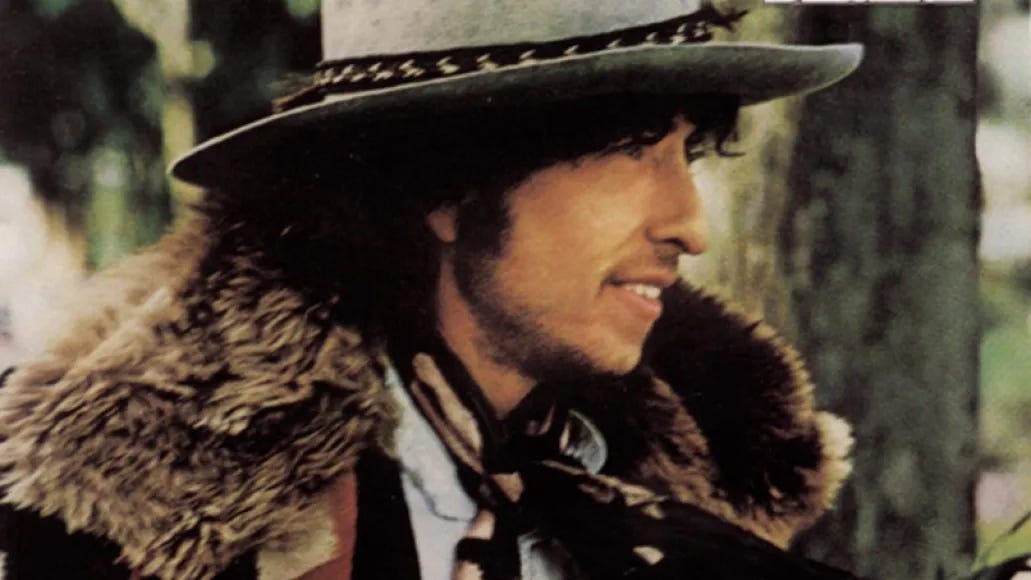
Bob Dylan wrote and recorded Knockin’ on Heaven’s Door for the soundtrack of the 1973 neo-Western Pat Garrett and Billy the Kid, directed by Sam Peckinpah and starring James Coburn as Sheriff Pat Garrett and Kris Kristofferson as Billy the Kid, an old friend that Garrett is paid to hunt down by New Mexico cattlemen. It was one of the shortest, simplest songs Dylan ever wrote (only 2:30 on the soundtrack), but soon after the movie opened Dylan featured extended versions in his live shows. Roger McGuinn and The Byrds soon covered it and it became a mainstay of their live shows. See Dylan backed by Tom Petty and the Heartbreakers play it live for 8:15 on their 1986 Australian tour.
The first comment under the video is from a man whose 25-year-old daughter played it constantly over the last six months of her life, as her cancer spread, until the last five minutes before she died. Talk about heartbreaking.
Then in 1975 Tom Verlaine and Television turned it into an epic, explosive dirge in lower Manhattan clubs, featuring Coltrane-like extended soloing by Verlaine and guitarist Richard Lloyd. On the early live album The Blow-Up you can hear a guy shouting “go boy, go!!” as Verlaine builds the intensity. This weary song is the resignation of a man tired of this world and ready to enter the next. I hope the 228,000 dead so far in this Pandemic have found a better place.
Astral Weeks in Boston, 1968
One afternoon in the summer of 1968 a 17-year-old high school student answered the door at his parents‘ house in Cambridge, MA. It was Van Morrison asking young John Sheldon if he was available for gigs as his lead guitarist. He soon was in the middle of rehearsals and early performances of Morrison’s first masterpiece Astral Weeks. It was a roller coaster ride through music industry machinations toward the eventual recording of the album. It’s one of many intertwining and parallel stories in Astral Weeks: A Secret History of 1968 by Ryan Walsh.
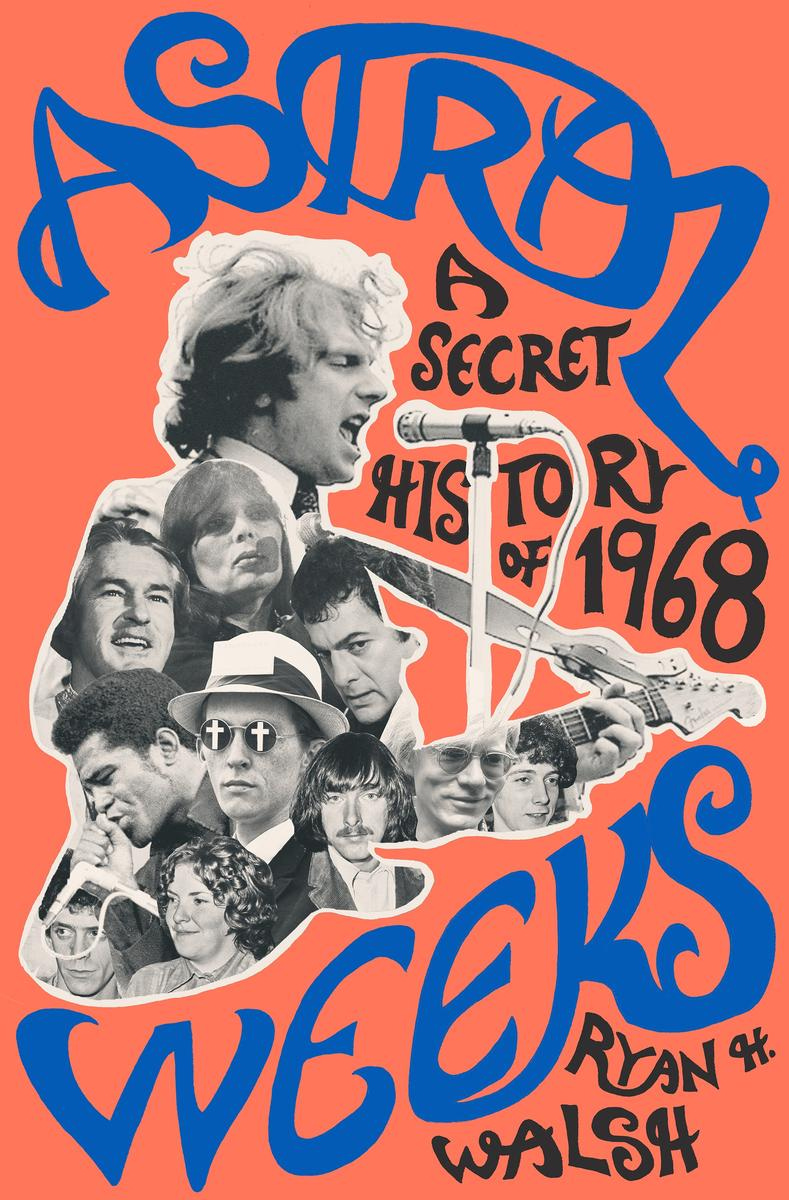
In the 1960s, Boston and Cambridge were still gritty industrial cities, not yet the glossy tech futureworld of today, but still a hotbed of cultural upheaval. The book ties many strands together in one year of the cultural life of a city. It reminded me of Ladies and Gentlemen, The Bronx is Burning by Jonathan Mahler, which tied together Yankees baseball, hard-nose NYC politics, White Flight, urban chaos , and The Summer of Sam in late ‘70s New York City. No spoilers, but the characters pictured above and below all played major roles in the book and those Astral Weeks in Boston in 1968. Listen for Jonathan Richman and The Modern Lovers’ Twilight in Boston on the attached playlist.


Time and Sandy Denny
In the late 1960s Fairport Convention devised a clever fusion of traditional English folk and American psychedelic rock and blues. Sort of the English version of The Byrds or The Band, but running deeper into history, legend, and mysticism.
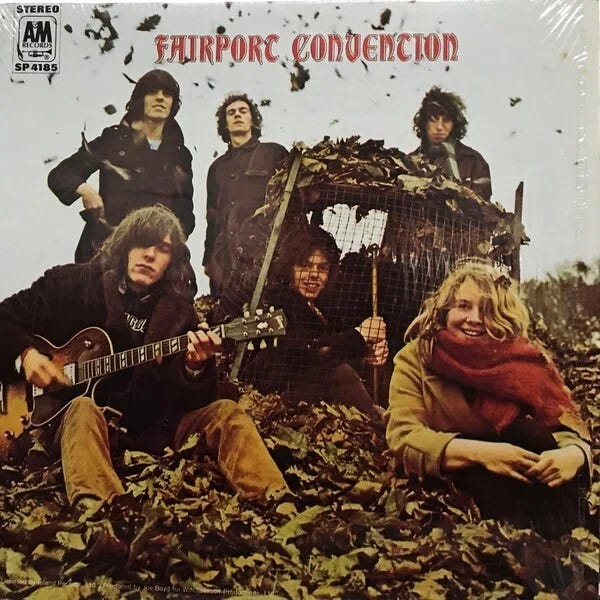
Fairport was led by the great guitarist/singer/songwriter Richard Thompson and the otherworldly voice of Sandy Denny. I only listen to their music in the Fall or Winter. Many songs, like those of The Band, could have been written today or 200 years ago. Perhaps the most timeless song and vocal in the history of recorded music is Denny’s Who Knows Where the Time Goes from Fairport’s album Unhalfbricking (1968). Fairport pursued the dark stories of English folk tales with the fervor of 1968 student intellectuals.
Both Thompson and Denny left the band by 1970 to pursue solo careers. Thompson has a multi-decade unbroken run of great albums and still tours today at age 71. We saw him at Wilco’s Solid Sound Festival in North Adams, MA in June 2017. Sandy Denny released a few solid solo albums, but slid into alcohol, drugs, depression, and family dysfunction. She died at age 31 in 1978 of a brain hemorrhage after falling down a staircase.
Getting Moody with Miles
Driving up to work in Boston for 20+ years, I used to see a truck owned by Moody Plumbing Co. On its side was the customer hook: “Plumbing problems? Don’t get mad, get Moody.”
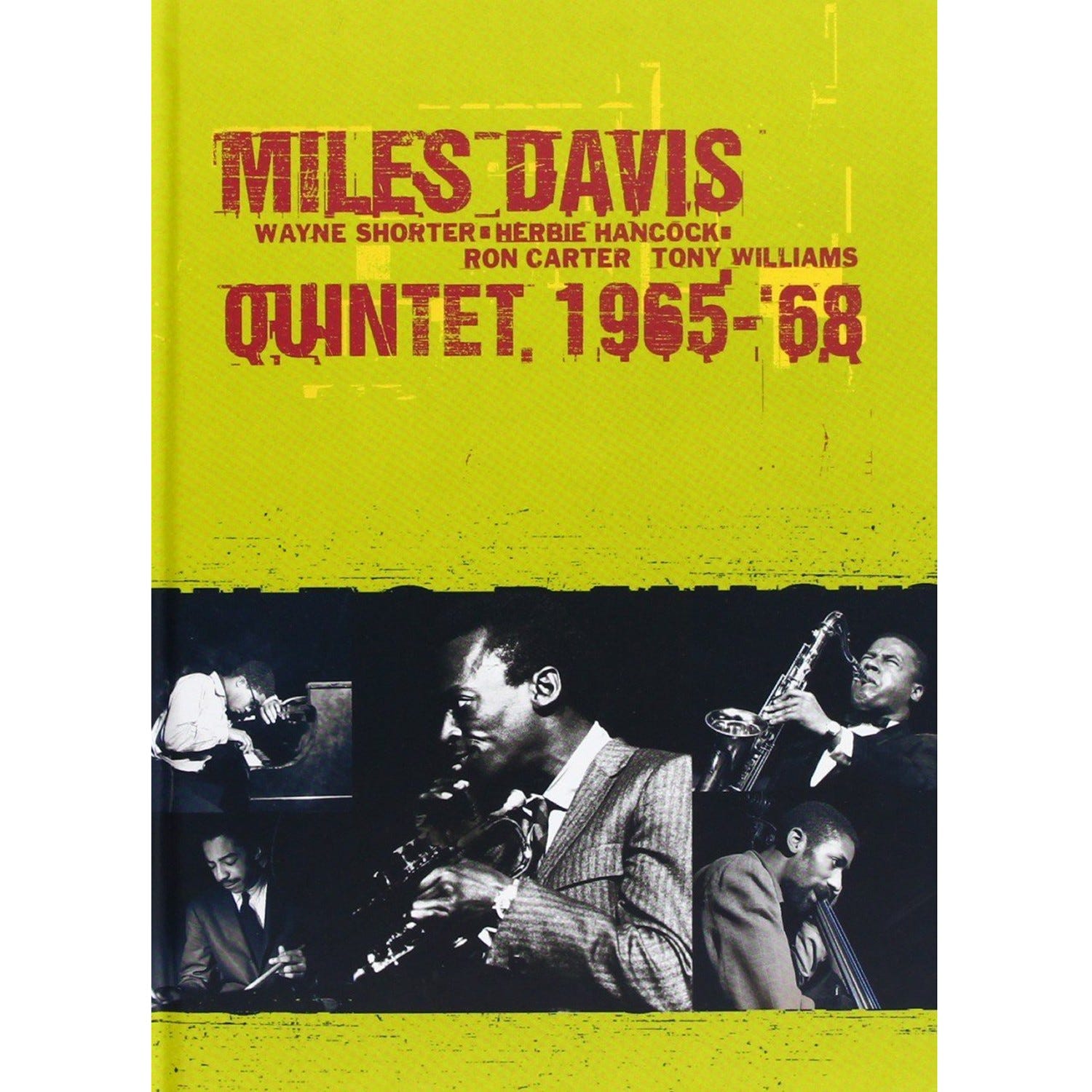
The mood created by the Miles Davis Quintet of 1965-’68, was all-encompassing. Paraphrasing Miles’ famous rasp: “This shit was deep and my band was full of motherfuckers!” They included Wayne Shorter, Herbie Hancock, Ron Carter, and 17- year-old drummer Tony Williams. Critic Peter Watrous, in his New York Times review of the 1998 CD box set, dubbed them “Masters of Moody” and “the sound that still reverberates inside jazz’s head.” This quintet reflected the darkening mood of Hard Bop as it progressed through the cultural strife of the 1960s toward Miles’ later abstractions and jazz-rock fusion. It was a decision by Miles to cast aside his enormous popularity and strike out in New Directions. He refused to play the melodic show tunes and standards that made him rich and famous in favor of originals, mostly by Shorter, Carter and Hancock. This music has the bracing feel of uncompromising art and invention. Listen on this playlist for Wayne Shorter’s pastoral Fall and a clever “reimagining” of it by Blue Note newcomer Derrick Hodge.
Nick Drake Checks Out
As someone who, like most people, has no real talent at anything, I’m always mystified by gifted people who go down a self-destructive road. In addition to the tragic story of Sandy Denny, there’s the case of Nick Drake. He released three magnificent albums between 1969 and 1972: Five Leaves Left; Bryter Layter; and Pink Moon. They had an eclectic jazzy folk/rock sound comparable to Van Morrison’s style of that time. The first two albums compare favorably to the Van Morrison albums Astral Weeks and Moondance.
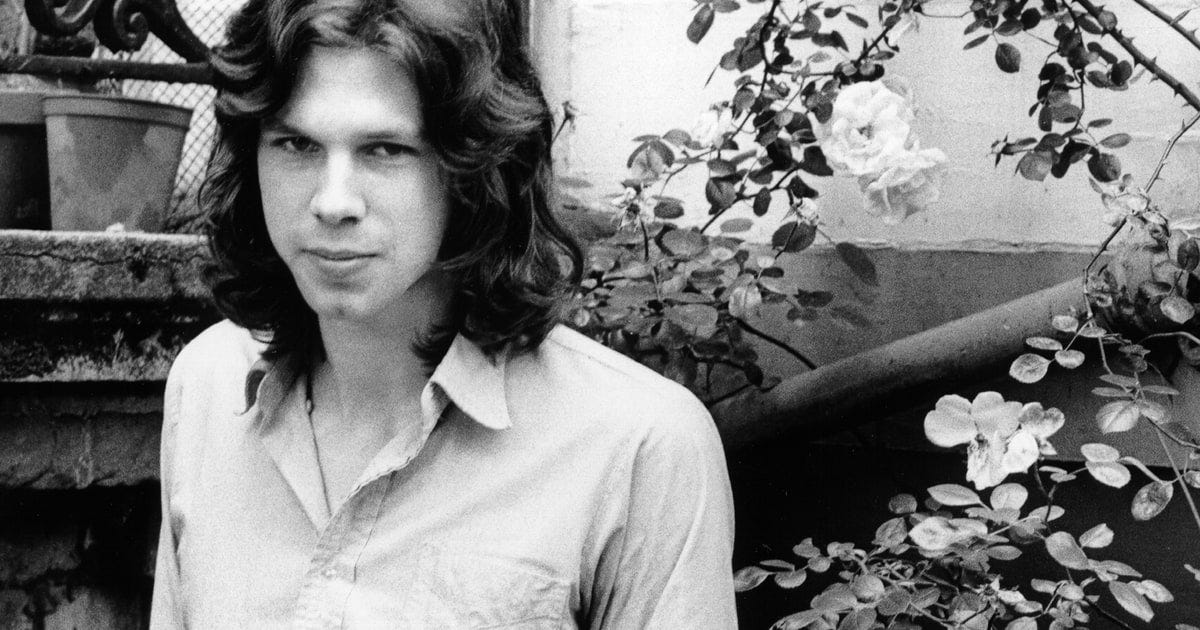
Drake’s three albums sold a total of only 5,000 copies, so he decided to retire from performing music. He became a recluse, slipped deep into depression, returned to his parents’ home in Warwickshire, then died at age 26 in November 1974 from an overdose of a prescription antidepressant. Whether it was accidental or a suicide was never determined, but family and friends witnessing his downward arc believed it was suicide.
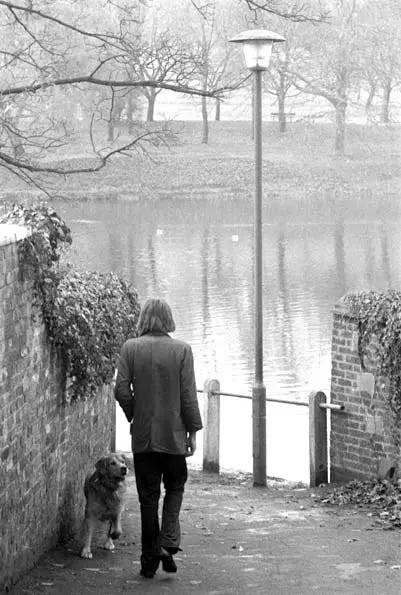
Nick Drake would be 72 today and see many artists cite him as an influence. Beck’s album Sea Change (2003) practically is a Nick Drake album. The decades of royalties from his early albums, and those never to be recorded, would have provided a comfortable living, especially after Volkswagen used Pink Moon on a TV ad campaign years ago. Tracks from all three albums are included in this playlist, along with Drake covers from artists such as Laura Marling with The Blues Run the Game. The book Nick Drake: Remembered for a While (Little Brown) delves deep into his mystique. I’m sure his dog in the photo below was very sad there were no more walks with Nick by the lake in Hampstead Heath.
Coming Next Week
It’s beginning to look a lot like Thanksgiving ‘25 — everywhere you go. I’ll post my annual Thanksgiving edition next Wednesday. They say there’s no good music for the holiday, but dinner with Standards is always on our menu here. Keith Jarrett’s great Standards Trio will be featured on the menu and the post will bring to a close my three-part retrospective in honor of Jarrett’s 80th year. Let’s go out with the expanded 1,000 track playlist, including Dylan, Fairport, Nick Drake and other autumn stalwarts.
A good piece of writing to raise from the crypt. I enjoyed it.